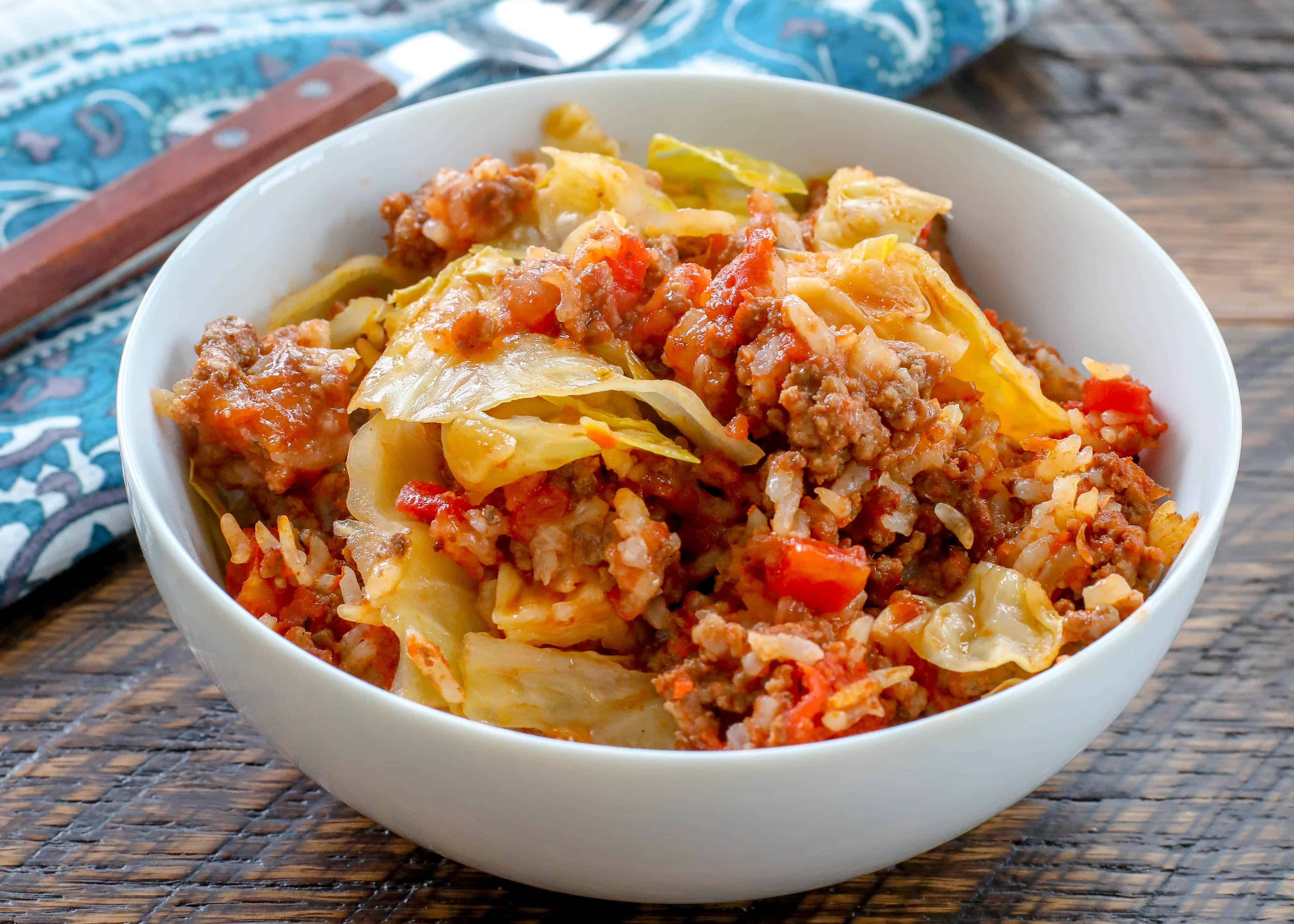
Embrace the Ease: How to Make Layered Cabbage Rolls for Classic Taste, Zero Rolling
Few dishes evoke the comforting warmth of home quite like classic cabbage rolls. The tender cabbage leaves, brimming with a savory blend of spiced meat and rice, all simmered in a tangy-sweet tomato sauce, represent a culinary hug. However, for many home cooks, the traditional process of blanching, stuffing, and meticulously rolling each individual cabbage leaf is a time-consuming endeavor that often gets relegated to special occasions or distant memories. What if you could capture that exact same beloved flavor profile, that hearty, satisfying experience, without any of the rolling fuss? Enter the ingenious solution: layered cabbage rolls. This one-pan wonder delivers all the cherished taste of traditional stuffed cabbage in an incredibly simple, lasagna-style casserole. It’s a genuine dinner win that promises to become a frequent request at your family table.
The Genius of Layered Cabbage Rolls: Why Go Rolled-Free?
The beauty of the layered approach lies in its undeniable convenience without compromising on flavor. It’s a smart hack for busy weeknights, offering a significant reduction in prep time while still delivering a robust, wholesome meal. If you adore the idea of classic cabbage rolls but find yourself constantly short on time or patience, this method is your culinary salvation.
Time-Saving & Effortless Preparation
The most compelling argument for going "rolled-free" is the drastic cut in preparation time. Traditional cabbage rolls can easily take over an hour of hands-on work just for the stuffing and rolling alone. With layered cabbage rolls, your active prep time can be as little as 15-20 minutes. Instead of wrestling with delicate leaves, you simply layer your ingredients into a casserole dish, pour over the sauce, and let your oven do the rest. This transformation from a labor-intensive project to a quick assembly job is what makes this dish a true game-changer, perfectly suited for those hectic weekday evenings when you crave a hearty, home-cooked meal.
Same Beloved Flavor Profile, Amplified Comfort
Don't let the simplified method fool you – the taste remains authentically classic. This dish perfectly replicates the iconic flavor combination of tender, slightly sweet cabbage, savory ground beef (often spiced with paprika, garlic, and pepper), fluffy rice, and a rich, tangy tomato sauce that brings everything together. The layering allows the flavors to meld and deepen beautifully as it bakes, creating a cohesive and incredibly satisfying experience in every spoonful. It’s the kind of stick-to-your-ribs meal that satisfies deeply, offering protein-rich beef, fiber-filled cabbage, and satisfying carbohydrates from the rice.
A Wholesome, All-in-One Meal
One of the often-overlooked benefits of Easy Layered Cabbage Rolls: A Hearty One-Pan Dinner Win is its completeness. This isn't just a main course; it's a balanced, self-contained meal. You have your protein, your vegetables, and your grains all cooked in a single dish. This eliminates the need to prepare multiple side dishes, further simplifying your dinner routine. It’s a wholesome option ideal for family dinners, providing a nutritious and filling meal without extra fuss.
Crafting Your Layered Cabbage Roll Casserole: Step-by-Step Guide
Making layered cabbage rolls is surprisingly straightforward. Think of it as building a delicious, savory lasagna, but with cabbage instead of pasta.
Essential Ingredients for Success
- Cabbage: A large head of green cabbage is standard. You can either thinly slice it or chop it into bite-sized pieces. Some recipes suggest a quick blanch for extra tenderness, but many prefer to use it raw, allowing it to soften beautifully during baking.
- Ground Meat: Lean ground beef is traditional, but a mix of beef and pork, or even ground turkey for a lighter version, works wonderfully.
- Aromatics: Onions and garlic are crucial for building the flavor base.
- Rice: Uncooked long-grain white rice is commonly used. It cooks directly in the casserole, absorbing the delicious liquids and flavors.
- Tomato Sauce: This is the heart of the dish's tang and sweetness. Crushed tomatoes, tomato paste, and perhaps a touch of tomato sauce or diced tomatoes make up the base.
- Seasonings: Paprika, salt, black pepper, and sometimes a pinch of sugar or a splash of vinegar to balance the tomato's acidity are key. Fresh dill or parsley can add a bright, herbaceous note.
- Broth/Water: Essential for cooking the rice and creating a luscious sauce.
The Layering Process
- Prepare the Meat Filling: In a large skillet, brown your ground meat with chopped onions and minced garlic. Drain any excess fat. Stir in your desired spices (paprika, salt, pepper) and a bit of the tomato paste for richness.
- Prepare the Cabbage: Wash and either thinly slice or chop your cabbage. If you prefer it very tender, you can lightly blanch it for a few minutes, but it's often not necessary.
- Assemble the Casserole:
- Spread a thin layer of your prepared tomato sauce mixture at the bottom of a large casserole dish (e.g., 9x13 inch).
- Layer about half of your prepared cabbage over the sauce.
- Evenly spread the cooked meat mixture over the cabbage.
- Sprinkle the uncooked rice evenly over the meat.
- Add the remaining cabbage layer.
- Pour the rest of your tomato sauce, mixed with broth or water, over the entire casserole, ensuring the liquid permeates all layers and is sufficient to cook the rice.
- Bake to Perfection: Cover the casserole dish tightly with foil and bake in a preheated oven (typically around 350-375°F or 175-190°C). The cooking time usually ranges from 60-90 minutes, or until the cabbage is very tender and the rice is fully cooked. You might uncover it for the last 15-20 minutes to allow the top to brown slightly and the sauce to thicken.
- Rest and Serve: Let the casserole rest for 10-15 minutes after baking. This allows the flavors to settle and the sauce to thicken further, making it easier to serve.
Maximizing Your Layered Cabbage Rolls: Tips for Success & Meal Prep
While the basic recipe for layered cabbage rolls is incredibly forgiving, a few tips can elevate your dish and make it an even more integral part of your meal planning.
Ingredient Variations for Personalized Flavor
- Cabbage Choices: While green cabbage is classic, don't hesitate to experiment with savoy cabbage for a slightly milder flavor and softer texture, or even a mix of cabbages.
- Meat Blends: A 50/50 mix of ground beef and ground pork adds depth and richness. Ground turkey or chicken can be used for a leaner option, though they might require a bit more seasoning to compensate for less fat.
- Rice Alternatives: Brown rice can be used, but note that it will require more liquid and a longer baking time. You could also use quinoa for a different texture and nutritional profile, adjusting liquid accordingly. For a lower-carb option, skip the rice entirely and add extra finely diced vegetables (like mushrooms or zucchini) to the meat mixture.
- Sauce Enhancements: A touch of Worcestershire sauce or a splash of red wine vinegar can deepen the savory notes. For a slightly sweeter sauce, a teaspoon of brown sugar or maple syrup can balance the acidity of the tomatoes beautifully.
Mastering the Make-Ahead & Freezing Factor
One of the greatest advantages of Layered Cabbage Roll Casserole: Perfect for Family & Meal Prep is its exceptional suitability for meal prepping and freezing. This casserole freezes extremely well with minimal extra effort, making it a lifesaver for busy weeks.
- Prepare Ahead: You can assemble the entire casserole, unbaked, up to 24 hours in advance. Cover it tightly and refrigerate until you're ready to bake. You might need to add an extra 10-15 minutes to the baking time if cooking from cold.
- Freezing Unbaked: Assemble the casserole in a freezer-safe dish. Cover it tightly with plastic wrap and then foil. Label and freeze for up to 3 months. To cook, thaw completely in the refrigerator (this can take 24-48 hours) before baking as directed.
- Freezing Baked: Once baked and cooled, you can portion out leftovers into individual freezer-safe containers for quick lunches or dinners. Alternatively, freeze the entire baked casserole. Thaw and reheat gently in the oven or microwave.
The ability to prepare two smaller pans at once – one for dinner tonight, one for the freezer – is a popular strategy for maximizing your time and ensuring you always have a comforting, wholesome meal on hand during hectic weekday nights.
Conclusion: The Unrivaled Comfort of Layered Cabbage Rolls
Whether you're a long-time fan of traditional cabbage rolls or new to this heartwarming dish, the layered method offers an unparalleled combination of classic taste and modern convenience. It's a testament to how culinary innovation can simplify beloved recipes without sacrificing an ounce of flavor or comfort. This hearty, wholesome, and satisfying "dinner win" proves that you don't need to spend hours rolling to enjoy the rich, tangy, and savory goodness of cabbage rolls. Embrace the ease, savor the flavor, and make layered cabbage rolls a cherished staple in your home.
